

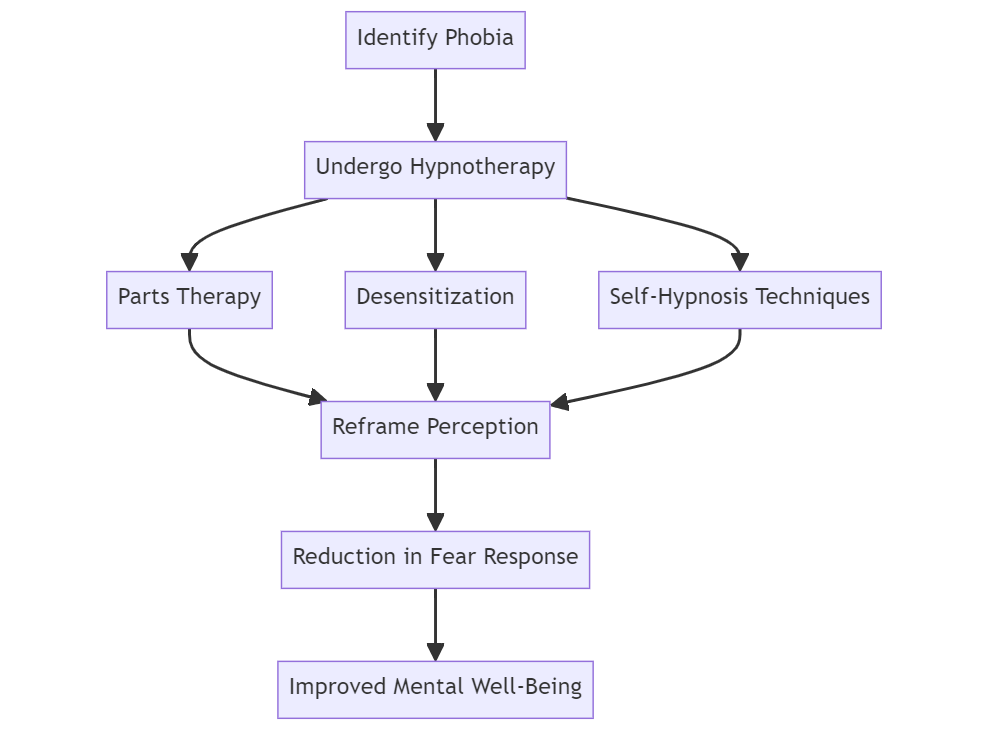
Introduction to Hypnosis for Fears and Phobias
In a world where fear and anxiety can often take a toll on mental well-being, understanding and addressing common phobias is crucial. This guide delves into the top eighteen fears and phobias that individuals frequently encounter and explores the transformative power of hypnotherapy in overcoming these challenges.
Fear can quietly shrink your world.
Whether it’s fear of flying, public speaking, driving, heights, medical procedures, or social situations, phobias often lead people to avoid experiences they want to enjoy. Over time, that avoidance can affect relationships, career opportunities, travel plans, and overall quality of life.
The good news is that fears and phobias are learned responses, and what has been learned can often be unlearned. Through hypnotherapy, many people discover a safe, natural way to reduce fear, build confidence, and regain control over situations that once felt overwhelming.
Christine Larkin of Seacoast Hypnosis stands at the forefront of transformative personal growth through hypnosis. Recognizing the profound impact fear and anxiety have on daily life, she creates a nurturing space where individuals can overcome these obstacles. Her expertise in hypnosis is not just a tool for change; it’s a pathway to empowerment and profound behavioral transformation.

Why Do Phobias Develop?
Many people assume they were born with their fears, but most phobias are learned responses developed over time.
Common causes include:
- A frightening or traumatic experience
- Witnessing someone else’s fear
- Repeated warnings during childhood
- Embarrassing social experiences
- Stressful life events
- Overactive imagination and anticipation
Once the brain associates a situation with danger, it can automatically trigger a fear response even when no real threat exists. This is why someone may logically know flying is safe yet still experience intense anxiety before boarding a plane.
Hypnotherapy works by helping the subconscious mind create new, healthier responses to those triggers.
-
Common Phobias
- Fear of spiders (Arachnophobia) – An intense fear of spiders that can trigger anxiety even when the perceived threat is minimal.
- Fear of negative evaluation in social situations (Social Phobia) – A fear of being judged, embarrassed, or scrutinized by others, often including public speaking and social interactions.
- Fear of flying (Aerophobia) – Anxiety related to air travel, ranging from mild discomfort to severe panic before or during flights.
- Fear of places or situations where escape is difficult (Agoraphobia) – A fear that can make crowded spaces, public transportation, or unfamiliar environments feel overwhelming.
- Fear of confined spaces (Claustrophobia) – Anxiety triggered by enclosed areas such as elevators, tunnels, MRI machines, or small rooms.
- Fear of heights (Acrophobia) – A fear of elevated places that can cause dizziness, panic, or avoidance of certain activities.
- Fear of vomit (Emetophobia) – A persistent fear of vomiting or seeing others vomit, which can significantly impact daily life and social activities.
- Fear of cancer (Carcinophobia) – Excessive worry about developing cancer, often accompanied by heightened health anxiety.
- Fear of thunder and lightning (Brontophobia) – An intense fear of storms that can lead to significant distress during severe weather.
- Fear of death (Necrophobia) – Anxiety surrounding death, dying, or things associated with mortality.
- Fear of driving (Amaxophobia) – Anxiety about operating a vehicle or being in traffic, often leading to avoidance of driving situations.
- Fear of public speaking (Glossophobia) – A fear of speaking in front of groups, presentations, meetings, or other situations involving public attention.
- Fear of needles (Trypanophobia) – Anxiety related to injections, blood draws, vaccinations, or medical procedures involving needles.
- Fear of dental procedures – A fear of dental visits, treatments, or dental instruments that can prevent people from seeking necessary care.
- Fear of medical tests – Anxiety surrounding medical examinations, diagnostic procedures, or awaiting test results.
- Fear of elevators – A fear of riding in elevators, often linked to feelings of confinement or loss of control.
- Fear of dogs (Cynophobia) – An intense fear of dogs that may occur regardless of the dog’s size, breed, or behavior.
- Fear of crowds (Enochlophobia) – Anxiety triggered by large groups of people, crowded events, shopping centers, or public gatherings.
These phobias can vary in severity and often lead to a compelling desire to avoid the fear trigger.
Many prospective clients wonder what actually happens.
What Can You Expect During a Hypnotherapy Session?
Many people are surprised to discover that hypnosis feels natural and relaxing.
During a session, you remain aware, in control, and able to communicate throughout the process.
A typical session may include:
- Discussion of your fear and goals
- Relaxation and guided hypnosis
- Identification of subconscious triggers
- Reframing fear-based responses
- Installation of calming, empowering beliefs
- Future-focused mental rehearsal
Many clients leave feeling deeply relaxed, more confident, and optimistic about their ability to overcome their fear.
Benefits of Hypnosis for Fears and Phobias
Many clients report improvements such as:
- Reduced anxiety around triggers
- Increased confidence
- Greater emotional resilience
- Improved sleep
- Less anticipatory worry
- Greater sense of control
- More willingness to participate in life experiences
Instead of avoiding situations, individuals often find themselves approaching them with calm and confidence.
Techniques and Approaches
Christine Larkin uses a variety of techniques tailored to individual needs. These include:
- Guided Imagery: Utilizing vivid, positive visualizations to promote relaxation and alter negative thought patterns.
- Suggestion Therapy: Implanting positive affirmations and suggestions into the subconscious to influence behaviors and emotions.
- Re-education of the Subconscious: Addressing and transforming the deep-seated beliefs that fuel fears, stress, and unwanted habits.
Frequently Asked Questions About Hypnosis for Fears and Phobias
- Can hypnosis eliminate a phobia completely?
Many clients experience significant improvement and, in some cases, complete resolution of a phobia. Results vary depending on the individual and the complexity of the fear. - How many sessions will I need?
Some people notice dramatic improvement after one session, while others benefit from a series of sessions to address deeper emotional patterns. - Will I lose control during hypnosis?
No. You remain aware and in control throughout the entire process. - Can hypnosis help if I’ve had this fear for years?
Yes. Many clients seek hypnotherapy after struggling with a fear or phobia for decades. - Can hypnosis help with panic attacks related to phobias?
Hypnotherapy can help reduce the emotional intensity and automatic fear responses that often contribute to panic reactions.
You do not have to organize your life around fear.
Whether your fear involves flying, public speaking, driving, social situations, medical procedures, or another phobia, change is possible. Hypnotherapy offers a safe, natural, and effective way to address the subconscious patterns that keep fear alive.
Imagine approaching situations that once triggered anxiety with calm, confidence, and a renewed sense of freedom.
If you’re ready to stop letting fear make decisions for you, hypnosis may be the next step toward reclaiming control and living more fully.
Let’s Get Started and Move Forward!
Feel free to call the office for a Free Phone Consultation.
Hypnosis is a great way to put your mind into a state of deep concentration, which allows you to alter thought patterns and behaviors linked to fears and phobias. You are in complete control while in hypnosis.
To learn more about what hypnosis is, click here.
Feel free to contact us and let your fears go.
